
Susumu Yokota: The Versatile Master of Japanese Ambient

Susumu Yokota Sakura full album(2000)
YouTube
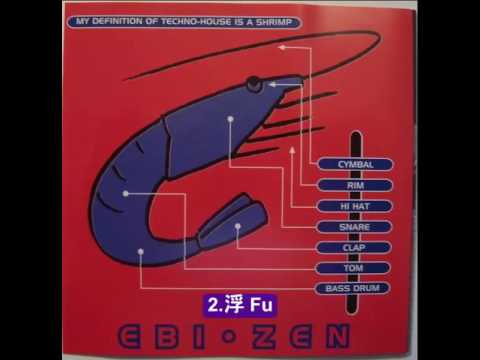
"Ebi" aka Susumu Yokota - Zen full Album (1994)
YouTube
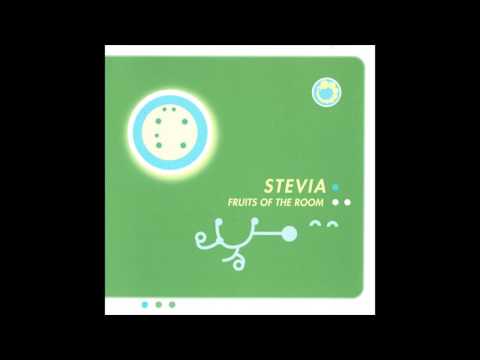
Stevia - Fruits Of The Room (1997) FULL ALBUM
YouTube
INTRODUCTION: A POLYMATH OF SOUND
Susumu Yokota (横田進, 1961–2015) was more than just an electronic music musician: he was a polymath with a background in economics who worked as a graphic designer before establishing himself as one of the most visionary pioneers of Japanese ambient. His prolific legacy spans more than 30 albums between 1993 and 2012, exploring everything from acid techno to meditative ambient.
What makes Yokota unique is not only his musical quality, but his multiple identity strategy: he used more than 11 different aliases to explore different genres without compromising his main name. In this post we will explore his main alter egos and how each one reveals a different facet of his creative genius.
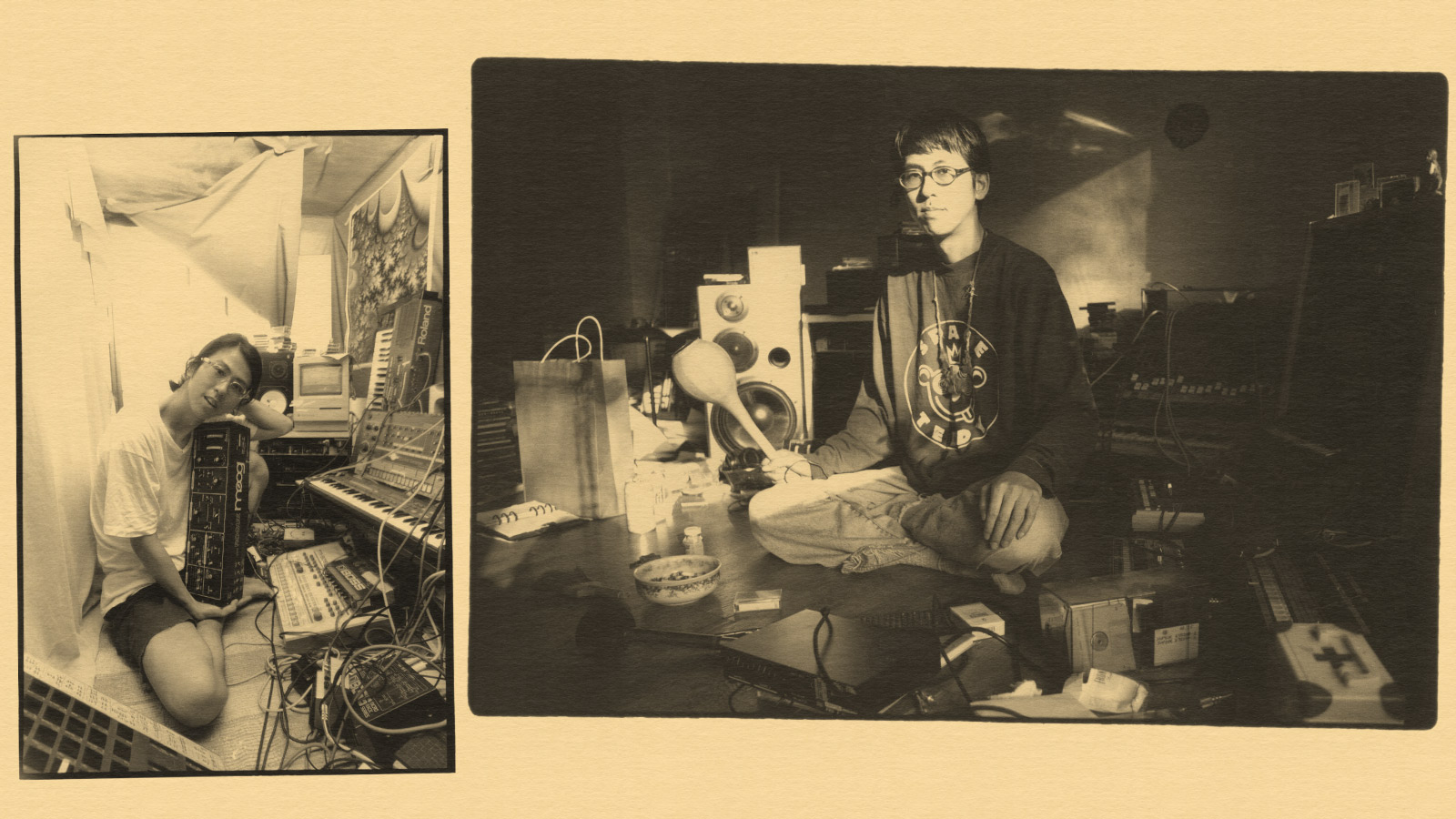
THE MAIN ALIAS: SUSUMU YOKOTA (1994–2012)
Style: Electronic ambient with classical sensibility, organic piano, emotional synthesizers and meditative atmospheres
The albums under his real name represent the heart of his work:
- Sakura (1999) — Chosen best electronic album of the year by The Wire
- Grinning Cat (2001) — Consolidation of his meditative style
- Symbol (2004) — Exploration of more experimental sounds
- Kaleidoscope (2010) — Late work with pure aesthetic purposes
Sound characteristics:
- Unique fusion of classical Japanese sensibility with modern synthesizers
- Interwoven piano samples with repetitive sounds like Steve Reich
- Contemplative emotion that evokes cinematic soundscapes
- Aesthetics of nature: titles like Sakura (cherry blossom) reflect the ephemeral beauty of Japan
"Yokota undertook an intimate revolution in the field of electronic music"
EBI: THE EXPERIMENTAL SIDE AND ACIDO (1993–1996)
Style: Acid techno, hard techno, experimental sounds with marked rhythms
The alias Ebi reveals a rougher and more experimental Yokota, far from the contemplation of the main ambient:
- Hi (1993) — Debut in acid techno
- Brainthump (1992, EP under Tenshin) — Early experimental German techno
- Zen (1994) — Pure acid techno
- Ten (1995) — Rhythmic experimentation
- Liveacid (1994) — Intense live recordings
Key difference: While Susumu Yokota is contemplative, Ebi is energetic and aggressive, exploring the roots of 90s European techno.
STEVIA: DOWNTIME AND ETÉREAL TRIP-HOP (1995–1998)
Style: Downtempo, trip-hop, soft ambient with slow rhythms and ethereal atmospheres
Under Stevia, Yokota explored more relaxed territories, close to British trip-hop:
- Fruit of the Room (1997) — Melodic downtempo
- Greenpeace (1998) — Ethereal ambient
Characteristics: Slower rhythms, soft textures, influenced by the trip-hop of Portishead and Massive Attack, but with its sensitivity unique Japanese.
PRISM: TECHNO AND TRANCE (1995–1997)
Style: Techno, trance, synthesized and repetitive sounds more danceable
Prism is the most conventional alias in terms of electronic dance music:
- Metronome Melody (1995) — Techno repetitive
- Fallen Angel (1997) — Emotional trance
Unlike their album Sakura, Prism is more club-oriented, with more predictable structures and higher energy.
ANIMA MUNDI: RHYTHMIC AMBIENT AND EXPERIMENTAL HOUSE (1996)
Style: Ambient with present beats, experimental house
- Anima Beat (1996) — Ambient with house rhythm
- Hebula (1996, EP) — Experimentation rhythmic
Anima Mundi occupies an intermediate space: it is not as contemplative as the main Susumu Yokota, but not as aggressive as Ebi.
OTHER MINOR ALIASES
Ringo (1995) — Soft electronic, ambient | Album: Plantation (1995)
Tenshin (1992) — Early German Techno | Album: Brainthump EP
Frankfurt-Tokyo-Connection (1993) — Techno/experimental house | Self-titled album (collaboration)

WHY SO MANY IDENTITIES?
The strategy Yokota's multiple aliases reflect:
- Unrestricted artistic exploration: Each alias was a different canvas to experiment without compromising the core identity
- Record label strategy: Different labels required different names for different genres
- Multifaceted personality: Yokota was an economist, graphic designer, and musician—his aliases reflect this diversity
- Rejection of predictable formulas: By changing identity, he avoided being labeled in a single genre
RECOGNIZATION AND LEGACY
- 2025–2026: New series of reissues on Bandcamp and Lo Recordings rescue his legacy
- March 2026: Skintone Edition commemorative event in Los Angeles with listening sessions for Songs of Joy, Anger, Sorrow & Happiness
- Posthumous recognition: Common in Reddit and ambient music communities: "Thank you, Maestro Susumu Yokota"
"A uniquely and generously gifted artist and true creative pioneer. His prolific legacy spans an extensive series of 12 releases" pioneers"
CONCLUSION: A MASTER OF INTIMATE SOUND
Susumu Yokota undertook an intimate revolution of sound. His more than 11 aliases were not marketing tricks, but rather windows to different dimensions of his creativity. From the contemplation of Sakura to the energy of Ebi, each alias reveals why Yokota remains a reference in electronic ambient beyond his death in 2015.
WHERE TO START LISTENING?
If you are new to Yokota:
- For pure ambient: Sakura (1999) or Grinning Cat (2001)
- For experimental techno: Zen as Ebi (1994)
- For relaxed downtempo: Fruit of the Room as Stevia (1997)
Did you like this article about Susumu Yokota? Share with other lovers of electronic ambient and subscribe for more content on experimental electronic music.